Lens CareAnti-Fog Coating for Glasses: Benefits & How It Works
Anti-fog treatments help stop condensed moisture from forming vision-obscuring droplets on your lenses. Learn how they work, who benefits and how to care for treated glasses.
Lens CareAnti-fog treatments help stop condensed moisture from forming vision-obscuring droplets on your lenses. Learn how they work, who benefits and how to care for treated glasses.
Lens CareHigh-prescription lenses don't have to be thick or heavy. Learn which lens indexes, frame styles, and coatings give you the thinnest, lightest glasses possible — without compromising clarity.
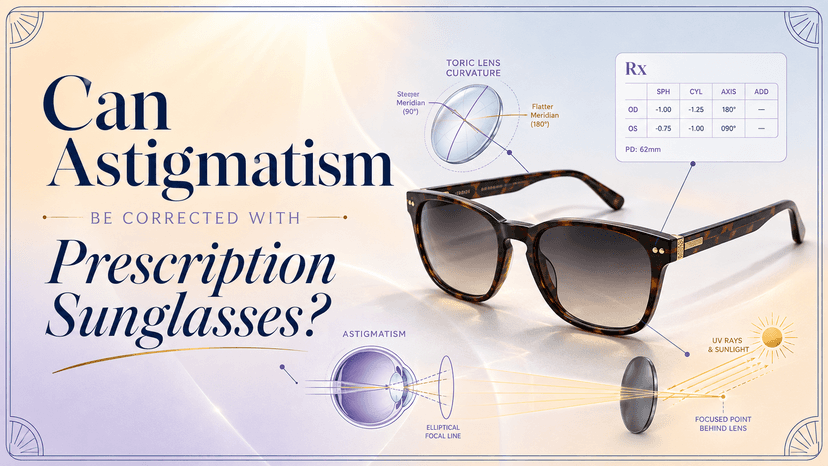
Eye HealthBlurry details, stretched lights or frequent squinting may point to astigmatism. Learn how CYL and AXIS work—and how to choose comfortable prescription glasses.
Lens CareHydrophobic lens coating helps water form droplets instead of spreading across your eyeglass lenses. It can also make sweat, fingerprints and everyday smudges easier to remove, helping your glasses stay clearer with less cleaning effort.
Lens CareContact lens discomfort can cause dryness, redness, grittiness, blurred vision, or irritation, especially after long screen sessions or extended wear. Glasses can be a more comfortable everyday choice because they correct vision without touching the eye, require less maintenance, and provide an easy break from contact lenses.
Lens CareReading glasses and distance glasses solve different vision problems. Reading glasses help you see nearby objects clearly, while distance glasses improve the clarity of objects farther away. Choosing the correct type depends on where your vision becomes blurry and the cause of the problem.
Eye HealthAir pollution can irritate the eyes by exposing them to dust, smoke, traffic emissions, ozone, and fine airborne particles. While standard glasses and sunglasses cannot completely block pollution, well-fitting eyewear can reduce direct exposure to wind, dust, and larger particles. Learn which frame styles, lens features, cleaning habits, and eye-care precautions can help improve comfort in polluted environments.
Lens CareGlasses that constantly slip down your nose are more than just annoying — they affect your vision and comfort. Here are the real reasons it happens and the practical fixes that actually work.
Lens CareMost people adjust to new prescription glasses within 3 to 7 days, though some changes — like a new progressive lens or a significant prescription update — can take up to 2 weeks. Here is what to expect at every stage.
Eye HealthNight driving blurry vision can be caused by uncorrected refractive errors, cataracts, or poor-quality lenses. Learn what's behind it and how to fix it safely.
Eye HealthIf you find yourself holding your phone at arm's length or squinting at a menu even while wearing glasses, your current prescription may no longer be doing its job. Here is what is really going on with your vision — and what to do about it.
Lens CareComputer glasses and blue light glasses are often used interchangeably, but they are not the same thing. Here is exactly what sets them apart, which one actually protects your eyes, and how to choose the right pair for your screen time needs.