
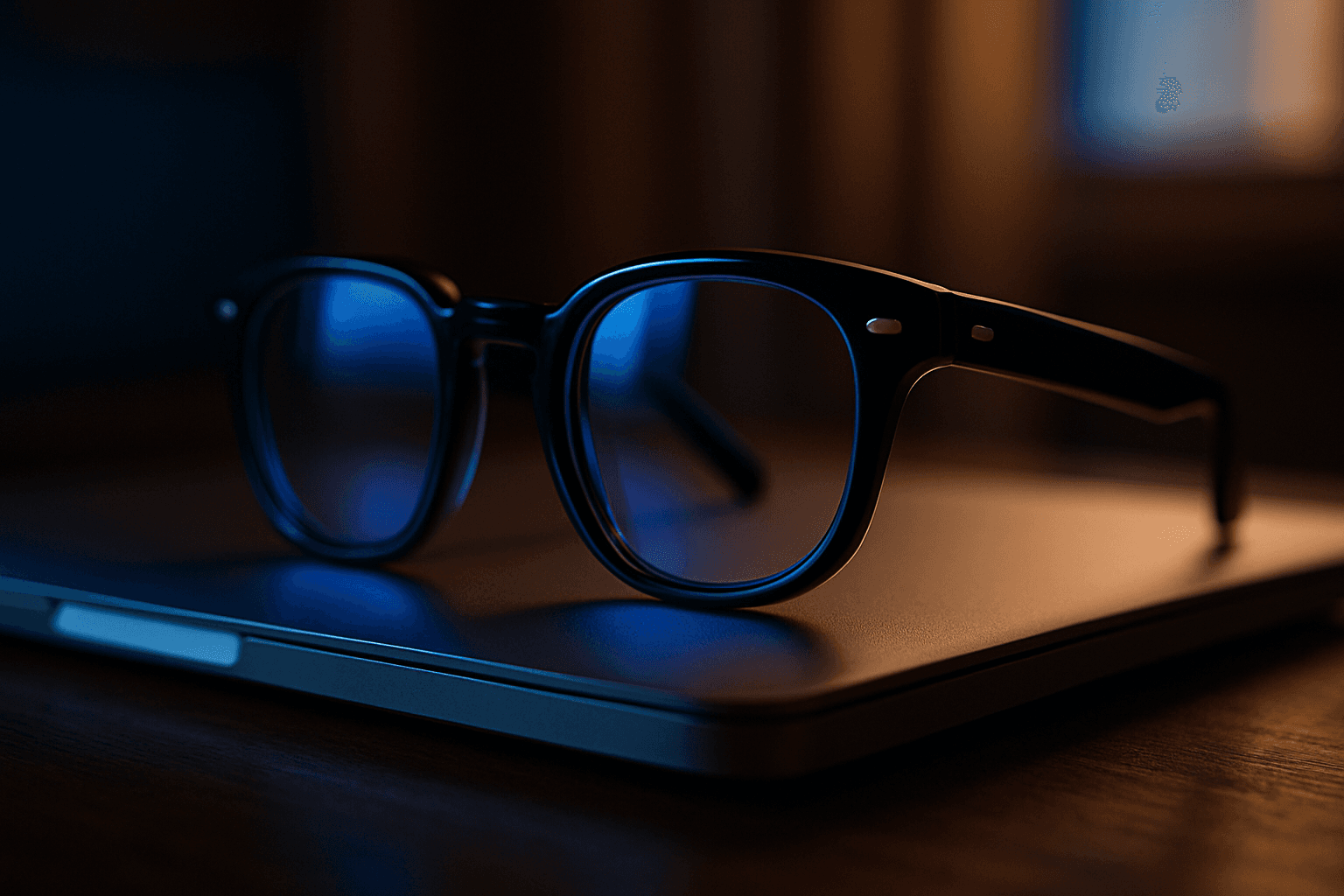
Blue light glasses filter high-energy visible light from digital screens and may help reduce eye strain, though scientific evidence shows mixed results. While they don't prevent all digital eye strain symptoms, many users report improved comfort during extended screen time, especially when combined with proper viewing habits.
What is blue light and why does it matter?
Blue light is part of the visible light spectrum with wavelengths between 380-500 nanometers. It's naturally present in sunlight and artificially emitted by LED screens, smartphones, tablets, and computers. Our eyes receive significantly more blue light exposure today due to increased digital device usage.
The concern around blue light stems from its high energy levels compared to other visible light colors. Some research suggests excessive blue light exposure, particularly in the evening, can disrupt circadian rhythms and potentially contribute to digital eye strain symptoms.
What does the scientific research actually say?
Multiple studies have examined blue light glasses with varying conclusions. A 2017 systematic review found limited evidence supporting blue light filters for reducing eye strain. However, a 2021 study showed participants experienced less eye fatigue when using blue light filtering lenses during computer work.
The American Academy of Ophthalmology states that digital eye strain isn't caused by blue light itself, but rather by decreased blinking, prolonged focusing, and poor viewing conditions. They don't specifically recommend blue light glasses for eye strain prevention.
Research on sleep benefits shows more promising results. Studies indicate that reducing blue light exposure 2-3 hours before bedtime can improve sleep quality by maintaining natural melatonin production.
Blue light glasses vs other eye strain solutions
Blue light glasses aren't the only solution for digital eye strain. The 20-20-20 rule (looking at something 20 feet away for 20 seconds every 20 minutes) often provides more immediate relief. Proper screen positioning, adequate lighting, and regular eye exams are equally important.
Anti-reflective coatings on regular prescription glasses can reduce glare and eye strain without specifically targeting blue light. Computer glasses with slight magnification may also help by reducing focusing effort during close-up work.
When might blue light glasses be beneficial?
Blue light glasses may be most helpful for people who spend 8+ hours daily on digital devices, work in environments with predominantly LED lighting, or experience sleep difficulties after evening screen use. They're also worth considering if you've already tried other eye strain reduction methods without success.
People with existing dry eye conditions or those who work night shifts may find blue light filtering particularly beneficial, as it can complement other treatment approaches for managing symptoms.
What to look for in blue light glasses
Quality blue light glasses should filter 20-50% of blue light in the 400-490nm range. Higher filtering percentages can cause color distortion that affects work requiring color accuracy. Look for lenses with anti-reflective coating to maximize comfort.
The lens tint varies from clear to yellow-amber. Clear lenses filter less blue light but maintain natural color perception, while yellow-tinted lenses provide stronger filtering but may alter color accuracy. Choose based on your specific needs and work requirements.
Ensure the glasses fit properly and feel comfortable for extended wear. Poor-fitting frames can cause additional discomfort that outweighs any blue light filtering benefits.
Are there any downsides to blue light glasses?
Blue light glasses are generally safe with minimal side effects. Some users initially experience slight color perception changes, particularly with yellow-tinted lenses. This typically resolves within a few days of regular use.
Over-reliance on blue light glasses without addressing other causes of eye strain (poor posture, inadequate lighting, infrequent blinking) may provide false security while underlying issues persist.
Cost can be a consideration, especially for prescription blue light glasses. However, many affordable options are available that provide adequate filtering without premium pricing.
