
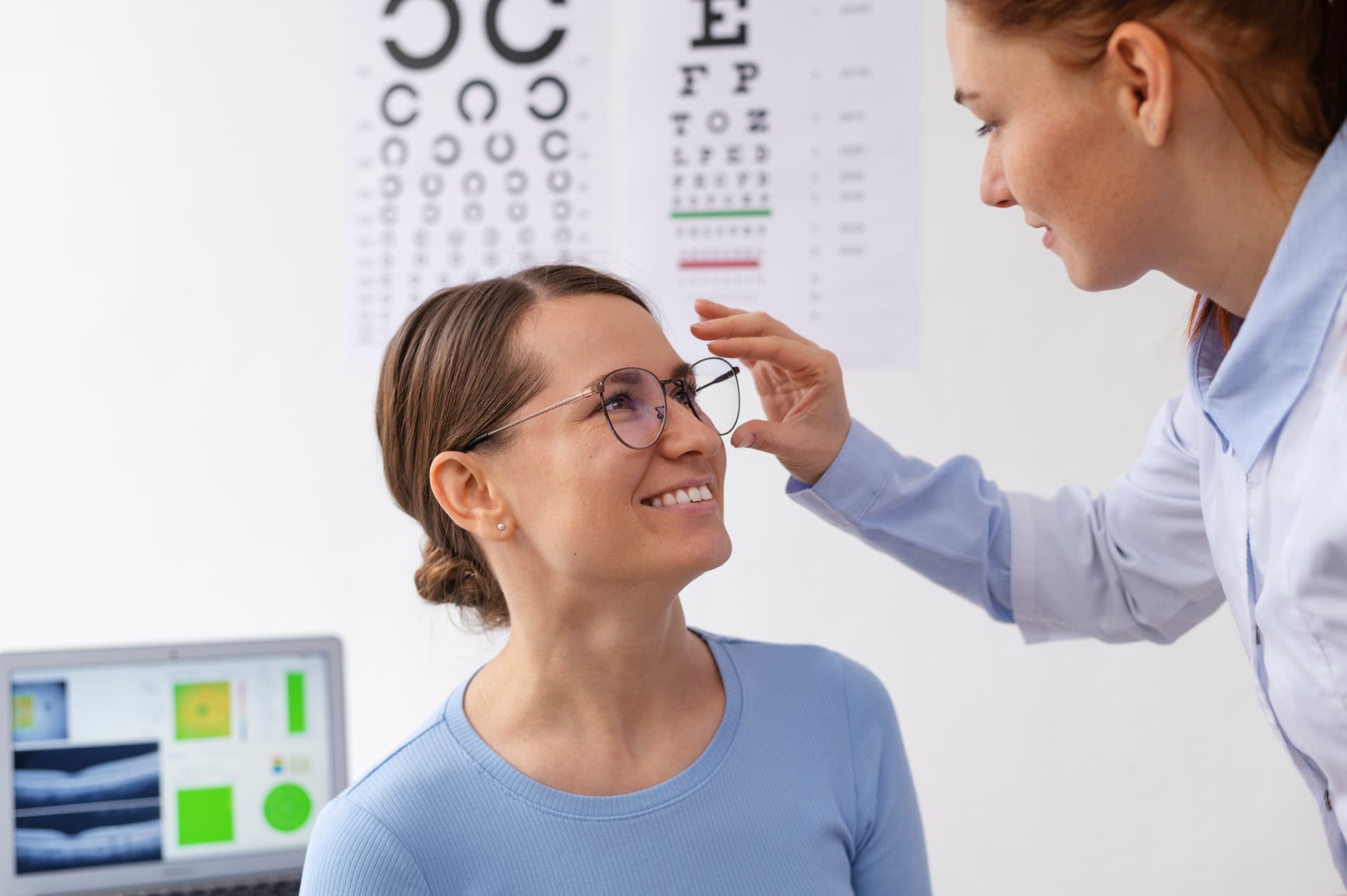
How Often Should You Get an Eye Exam? Let’s Talk!
Your Eyes Are Changing—Even If You Don’t Notice
Let’s start with a simple truth:
👉 You don’t wake up one day with bad vision.
👉 Your eyes gradually change, adapt, and sometimes struggle—silently.
That’s what makes eye health tricky.
Most people only visit an eye doctor when:
Vision becomes blurry
Headaches become frequent
Screens feel uncomfortable
But by that time, the problem has often been developing for months—or even years.
At Rimloo, we believe vision care should be proactive, not reactive. Because clear vision is not just about seeing better—it’s about living better.
This guide will walk you through:
How often you should get an eye exam
How your vision changes at every stage of life
Warning signs you should never ignore
How to maintain long-term eye health
Let’s break it down 👇
Why Regular Eye Exams Are More Important Than You Think
1. Your Vision Changes Without Warning
Your vision doesn’t suddenly become blurry overnight—it evolves quietly. A slight strain here, a minor blur there… small changes that are easy to ignore. Over time, these subtle shifts can impact how you read, work, drive, and experience daily life.
That’s why waiting for symptoms isn’t the right approach. Vision care is about staying ahead, not catching up.
2. The Hidden Risks of Skipping Eye Exams
Skipping regular eye exams may seem harmless, especially if your vision feels “fine.” But many serious eye conditions develop without noticeable symptoms in their early stages.
Conditions like glaucoma or macular degeneration often progress silently. By the time symptoms appear, the damage may already be significant.
3. Eye Exams Are About More Than Just Glasses
A comprehensive eye exam goes beyond checking your prescription. It provides insights into your overall health.
Your eyes can reveal early signs of:
Diabetes
High blood pressure
Nerve-related conditions
Regular exams are not just about clarity—they are about prevention.

How Often Should You Get an Eye Exam? Complete Guide by Age
Infants & Children (0–12 Years)
- First exam: 6–12 months
- Second exam: Between 2–5 years
- After that: Annual exams
Teens (13–19 Years)
- Once every year
Adults (20–39 Years)
- Every 1–2 years
- Annually if you use screens heavily or wear lenses
Adults (40–64 years)
- Every 2 years
Senior Citizens (65+ Years)
- Every year
Signs You Need an Eye Exam Immediately
Sudden Vision Changes: Blurred or distorted vision should never be ignored.
Frequent Headaches: Often linked to eye strain or incorrect prescriptions.
Eye Strain & Fatigue: A sign your eyes are overworking.
Night Driving Problems: Glare sensitivity may indicate vision issues.
Flashes, Floaters & Warning Signals: Immediate attention is required.
How Your Lifestyle Influences Your Eye Health
Your daily habits have a direct impact on your vision. Modern lifestyles, in particular, place significant stress on the eyes.
Extended screen time reduces blinking, which leads to dryness and irritation. Poor lighting conditions and improper posture can increase strain, while environmental factors such as air conditioning can further contribute to discomfort.
In addition, overall health plays an important role. Conditions like diabetes and high blood pressure can affect the eyes and increase the risk of vision problems.
Being aware of these factors allows you to take proactive steps, such as adjusting screen habits, improving lighting, and scheduling regular eye exams.
Final Thoughts: A Small Habit That Makes a Big Difference
Taking care of your eyes does not require drastic changes. It begins with something simple—consistency.
Regular eye exams help you stay aware of changes, maintain clear vision, and protect your long-term eye health. They provide reassurance, clarity, and the confidence that your vision is being properly cared for.
Your eyes are essential to how you experience the world. By giving them the attention they deserve, you are investing in your comfort, your productivity, and your future.
If it has been a while since your last eye exam, consider this your reminder.
Because when your vision is clear, everything else becomes easier to see.
