
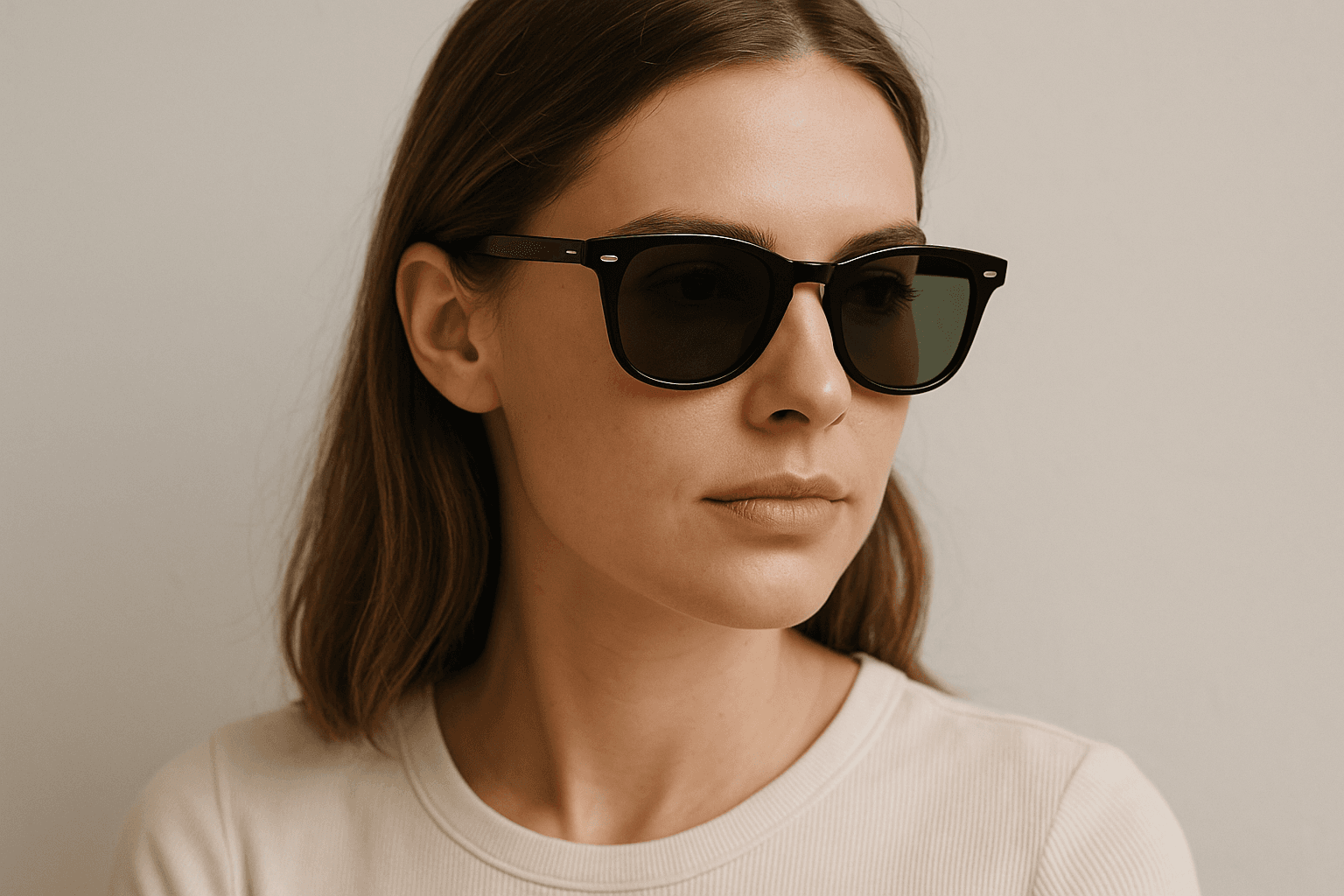
UV sunglasses protect your eyes by blocking harmful ultraviolet radiation through specialized lens coatings and materials that absorb or reflect UV rays before they reach your cornea and retina. Quality UV-blocking lenses prevent up to 99-100% of UVA and UVB radiation, significantly reducing your risk of cataracts, macular degeneration, and other serious eye conditions.

What Is UV Radiation and Why Does It Harm Your Eyes?
Ultraviolet radiation consists of invisible electromagnetic waves with shorter wavelengths than visible light. The sun emits three types of UV rays: UVA (315-400nm), UVB (280-315nm), and UVC (100-280nm). While Earth's ozone layer blocks most UVC rays, UVA and UVB penetrate the atmosphere and can cause significant damage to your eyes.
UVB rays primarily affect the front structures of your eyes, including the cornea and lens, while UVA rays penetrate deeper into the retina. Prolonged exposure without protection leads to photokeratitis (sunburn of the cornea), cataracts, pterygium, and age-related macular degeneration.
How Do UV-Blocking Lenses Actually Work?
UV protection in sunglasses operates through two primary mechanisms: absorption and reflection. Modern UV-blocking lenses contain special molecules that absorb UV photons and convert their energy into harmless heat. These UV-absorbing compounds are either embedded within the lens material during manufacturing or applied as specialized coatings.
Polycarbonate and high-index plastic lenses naturally block most UV radiation due to their molecular structure. However, manufacturers often add additional UV-absorbing chemicals like benzophenones or benzotriazoles to achieve complete protection. These molecules have specific molecular structures that resonate with UV wavelengths, effectively trapping the harmful energy.

The Role of Lens Coatings
Advanced UV protection often involves multiple layers of specialized coatings. Anti-reflective coatings with UV-blocking properties are applied to both front and back lens surfaces. These microscopic layers create interference patterns that cancel out reflected UV rays while allowing visible light to pass through clearly.
Some premium lenses feature photochromic technology, where silver halide or other light-sensitive molecules darken automatically when exposed to UV radiation. This provides adaptive protection that adjusts to changing light conditions throughout the day.
Understanding UV Protection Standards and Labels
The effectiveness of UV protection is measured by how much UVA and UVB radiation the lenses block. Look for sunglasses labeled "UV400" or "100% UV protection," which indicate blocking of wavelengths up to 400 nanometers, covering both UVA and UVB spectrums completely.
In India, the Bureau of Indian Standards (BIS) provides guidelines for UV protection in sunglasses, though compliance isn't always mandatory for imported products. International standards like ANSI Z80.3 (American) and EN 1836 (European) ensure rigorous testing of UV-blocking capabilities.

Why Lens Color Doesn't Determine UV Protection
A common misconception is that darker lenses provide better UV protection. In reality, lens tint and UV protection are independent features. Clear prescription lenses can offer 100% UV protection, while very dark sunglasses might provide minimal UV blocking if they lack proper UV-absorbing materials.
The darkness of a lens only affects how much visible light passes through, which determines comfort in bright conditions but doesn't correlate with UV protection levels. This is why it's crucial to verify UV protection specifications rather than relying on lens appearance alone.
Long-Term Benefits of Proper UV Protection
Consistent use of quality UV-blocking sunglasses provides cumulative protection against eye damage. Research shows that people who wear UV-protective eyewear regularly have significantly lower rates of cataracts and macular degeneration later in life.
UV damage to the eyes is irreversible and accumulates over time. Starting UV protection early in life and maintaining consistent use can preserve vision quality well into older age. This is particularly important in India, where intense sunlight and high UV levels make eye protection essential year-round.

Additional Protection Features
Beyond basic UV blocking, modern protective eyewear often includes polarization to reduce glare from reflective surfaces like water or pavement. Blue light filtering helps protect against high-energy visible light that may contribute to digital eye strain and potential retinal damage.
Wraparound frame designs provide superior protection by blocking peripheral UV exposure that can enter around standard frame edges. This comprehensive coverage is especially beneficial for outdoor activities and sports where extended sun exposure is unavoidable.
Choosing the Right UV Protection for Your Needs
When selecting UV-protective sunglasses, prioritize verified UV400 protection over aesthetic features. Ensure the lenses completely cover your eyes and surrounding areas, as UV rays can enter from multiple angles.
For prescription wearers, UV protection can be incorporated into both clear and tinted lenses, providing all-day protection whether you're indoors or outdoors. Photochromic lenses offer the convenience of adaptive protection that adjusts automatically to light conditions.
Remember that UV exposure occurs even on cloudy days, as clouds only block about 10% of UV radiation. Consistent daily use of UV-protective eyewear, regardless of weather conditions, provides the most effective long-term eye protection.
